Outgrowing the Roles That Once Defined Us
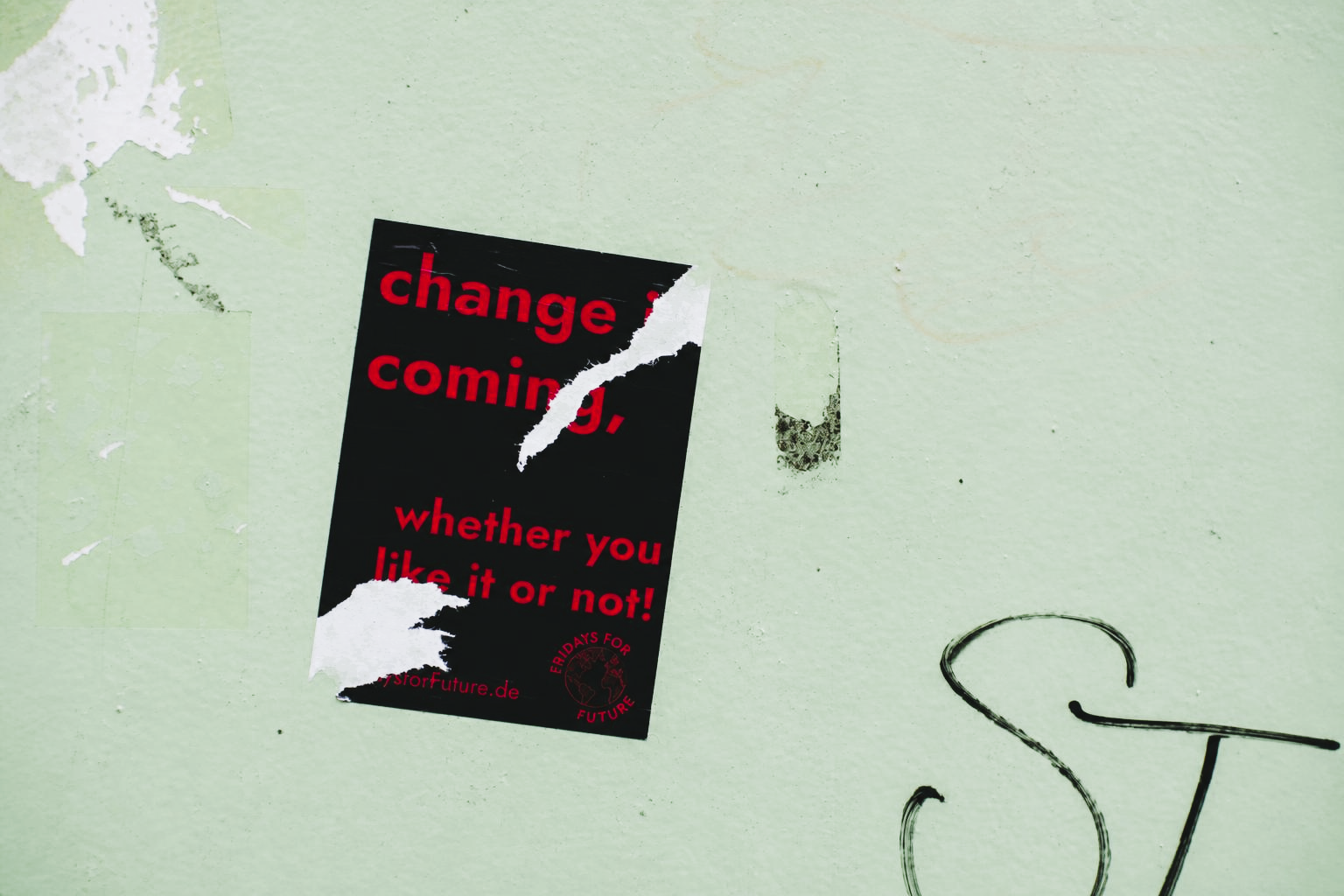
Over time, most of us become known for the roles we play. Maybe you are “the responsible one,” the easygoing partner, the caretaker, the successful one, or the person who never seems to need anything.
These roles may feel natural - or even become parts of ourselves we genuinely value. They give us a sense of purpose and help us understand where we fit. But sometimes, a role that once felt comfortable can begin to feel heavy, limiting, or out of alignment with who we are becoming.
So, what happens when the person everyone expects you to be no longer feels like you?
When a Role Starts Feeling Like an Identity
From an early age, we absorb messages about who we are through our families, culture, school, achievements, experiences, and relationships. Somewhere along the way, identity can feel cemented into who we are, what we do, or what others expect from us.
Some roles we purposely choose. Others develop quietly through repetition, outside expectations, or the roles we are rewarded for playing. We may become the peacemaker because we are good at smoothing things over, the caretaker because people rely on us, or the undemanding partner because it keeps the relationship steady.
A role can become so familiar that we stop noticing it is a role at all. It simply feels like me.
Until it doesn’t.
We may feel restless, resentful, disconnected, or simply tired of showing up in the same way. We start asking: Does this still fit? Did I choose it? What happens if I change? Who would I be without this part?
Even positive change can feel unsettling. A familiar role gives us certainty. It tells us where we stand and how we belong. Outgrowing it can feel like loosening our grip on a story that once helped us make sense of ourselves.
The Roles We Inherit: And the Ones We Choose
The goal is not to reject every role we inherited or adapted into. Many of these roles developed for good reasons: they helped us belong, reduced conflict, earned approval, created stability, or allowed us to contribute in ways we genuinely valued.
The question is whether the role still feels chosen - or whether it has become a requirement. Being caring may reflect an important value; believing we must always take care of everyone is a role we may want to reconsider. Responsibility may remain part of who we are without requiring us to carry everything alone.
It can be helpful to pause long enough to notice the difference, and decide which parts we want to keep, reshape, or leave behind.
Consider:
Does this version of me still feel true?
What does continuing to play this role cost me?
What am I afraid might happen if I showed up differently?
Which parts would I intentionally keep, shift, or let go of?
Permission to Pivot
At some point, most of us outgrow versions of ourselves that once fit. What we want may change with different seasons of life - and we are allowed to change with it.
Sometimes that change can disrupt relationships that were organized around the role we played. When the caretaker asks for shared effort, the peacemaker begins naming disagreements, or the easygoing partner expresses a firm preference, other people may need time to adjust - especially if they benefited from the old arrangement.
Our autonomy exists alongside relational responsibility. We do not need permission to have a new feeling, desire, value, or vision for our lives. But when our choices affect shared commitments, responsibilities, or agreements, that impact deserves awareness and consideration.
Differentiation helps us do both: stay connected to other people while maintaining a clear sense of self. We can own our values, wants, choices, boundaries, and growth; allow others to have their own feelings about the change; and collaborate where our lives genuinely overlap.
A Simple Role Audit: Keep, Shift, or Let Go
Choose one role you play regularly: responsible one, caretaker, peacekeeper, achiever, fixer, easygoing partner, or whatever fits your life.
Keep: Which parts reflect values I still genuinely choose and feel aligned with who I am?
Shift: Which parts still matter but need different limits, expectations, or support?
Let go: Which parts continue primarily because of fear, guilt, habit, or outside expectations?
Then choose one small action that would bring the role into better alignment with who you are now. You might decline something you would normally absorb, ask for shared ownership, name a preference, revisit an old agreement, or approach a familiar situation differently.
Making Space for Who You Are Becoming
Identity is allowed to evolve. We can appreciate the versions of ourselves that helped us belong, succeed, cope, or connect while recognizing when they have completed their work.
We are not searching for one perfectly “authentic self” that will remain unchanged forever. We are building enough awareness and self-trust to choose how we want to show up now, and enough relational responsibility to communicate honestly when those choices affect the people beside us.
Jordan Coaching Collective offers individual and relationship coaching for people who want to clarify what fits, change what doesn’t, and turn insight into practical action.
